Opening your home to a child in foster care is a profound act of care that can change the trajectory of a life—and often an entire family’s future. If you’ve been wondering, in practical terms, how to become a foster parent, you’re not alone. Across communities large and small, everyday people answer the call to provide safety, stability, and belonging to children and teens who need it. In Tennessee and beyond, the heart of fostering is about keeping kids connected—to their schools, friends, siblings, and cultural roots—while their parents work toward reunification. With the right preparation, training, and community support, you can say yes with confidence and be part of a coordinated effort that surrounds children and families with care before, during, and after foster care.
Understanding Eligibility, Readiness, and What Foster Parenting Really Involves
Before asking “how can I become a foster parent?,” it helps to clarify who can foster and what the journey entails. Most states require prospective foster parents to be at least 21, pass background checks, and demonstrate stable income, adequate space for a child, and overall health sufficient to meet a child’s needs. You can be single or married, rent or own your home, and come from any background. What matters most is your capacity to provide a safe, nurturing environment, and your willingness to collaborate with a team of professionals supporting the child and their family.
Readiness involves both practical and emotional preparation. Practically, you’ll need a dedicated sleeping space (often a separate bed and sometimes a separate room, depending on age and gender), reliable transportation, and time for appointments, school meetings, and family visitations. Emotionally, foster care is rooted in the primary goal of reunification. That means caring for a child while actively supporting the plan to safely return them to their parents or kin whenever possible. Many foster parents discover deep purpose in this role—offering stability while also honoring a child’s identity, culture, and long-standing connections. Being open to learning trauma-informed care, maintaining healthy boundaries, and celebrating small wins are all part of the experience.
There are different ways to foster, and understanding each can help you choose a best fit. General foster care supports children of varied ages and needs. Emergency or short-term foster care offers a safe place for days or weeks. Kinship care allows relatives or close family friends to step in. Respite care provides short breaks for other foster caregivers. Specialized or therapeutic foster care supports children with higher medical or behavioral needs. Whatever path you choose, you’ll be part of a network that aims to keep kids close to their community—reducing disruption to school, friendships, and sibling bonds—while families receive services to safely stabilize and heal.
The Licensing Journey: From Orientation to Home Study in Tennessee
The journey typically begins with a simple inquiry to your state child welfare department or an approved foster care provider. You’ll attend an information session to learn about roles, expectations, and the supports available to you. From there, you’ll register for pre-service training (in Tennessee, this is often the TN KEY training) that equips you with foundational tools in trauma-informed care, de-escalation, attachment, and working within the child welfare system. Training is designed to be practical, interactive, and honest about challenges and rewards, empowering you to care for children while collaborating with caseworkers, birth families, and the courts.
Next, you’ll complete an application and background checks, submit references, and schedule medical exams. The home study follows: a licensed professional will visit your home, interview household members, assess safety (like working smoke detectors, safe medication storage, and appropriate sleeping arrangements), and learn your family’s story, routines, and strengths. The goal isn’t perfection; it’s partnership. The home study documents your capacity and preferences—age ranges, sibling groups, medical or developmental needs—so placements are a thoughtful match.
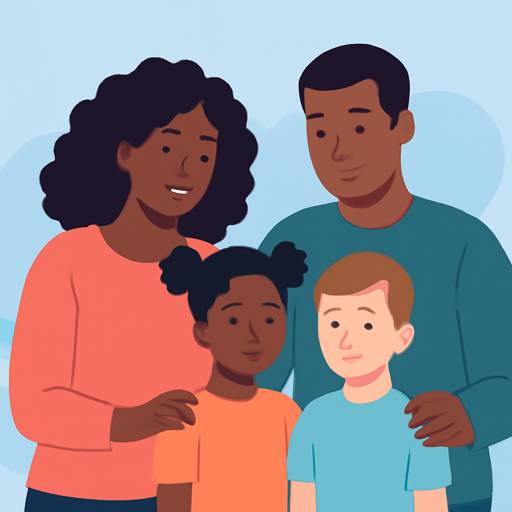
While timelines vary, many families complete licensing in a few months, depending on training schedules, paperwork, and home study availability. During this time, you can prepare by gathering essential supplies, arranging car seats by age and size, and childproofing. Consider lining up respite options and building your support circle early—with neighbors, friends, and community groups. In Tennessee, you may also find faith communities and local nonprofits ready to help with meals, clothing, beds, and practical items when a placement arrives. If you’ve been asking yourself, how can i become a foster parent, it starts with this sequence: inquire, attend orientation, complete training, finish your home study, and partner with your licensing team on a placement that fits your family’s strengths.
Once licensed, you’ll be eligible to receive placements and will continue your learning through ongoing training. Plan for the first days after a child arrives: gather school records, confirm medical coverage, introduce consistent routines, and coordinate visitation schedules. Remember, the first 72 hours can be intense for everyone; patience, structure, and reassurance will set the tone for healing and trust.
Support, Retention, and Thriving After You’re Licensed
Foster parenting is most successful when supported by a strong community. States provide monthly stipends to help with the cost of care, and children in foster care typically receive medical coverage. Depending on age and circumstance, there may be assistance for child care, transportation to visits, and other specialized services. Your licensing provider will guide you through available benefits and ongoing training opportunities, including first aid and CPR, behavioral strategies, and educational advocacy. These supports aren’t extras; they’re core to helping children heal and helping foster parents thrive over the long haul.
Community-based help matters just as much. Across Tennessee, a coordinated network of agencies, advocates, and faith communities mobilizes practical support for families who foster: clothing closets, meal trains, beds and cribs, diapers, backpacks, tutoring, and mentors for teens. The goal is to keep you steady in the critical early weeks of a placement, reduce stress during transitions, and ensure you can say “yes” again when the next child needs a home. Strong retention is a community achievement—it happens when caregivers feel seen, equipped, and encouraged.
Think about the full journey a child might take while in your home. You’ll likely partner with birth families, caseworkers, therapists, and schools. Many children will have court dates, visitation schedules, and academic needs that require careful documentation and consistent communication. Building relationships marked by empathy and respect—especially with a child’s parents—can profoundly shape a reunification outcome. For teens nearing adulthood, you’ll support life skills: budgeting, job readiness, reliable transportation, and connections to mentors and housing resources. This is where the heart of fostering shines: promoting stability today while investing in a young person’s future.
Real-world example: A Tennessee couple welcomes two siblings, ages seven and nine, to keep them near their school and grandparents. Community partners organize beds, school supplies, and a week of meals. The couple coordinates with the children’s parents and case team on a consistent visitation plan, shares school updates, and celebrates milestones like the first full week of uninterrupted sleep. Six months later, reunification is possible. The children return home with stronger routines, their parents are supported through community resources, and the foster family remains in the picture for birthdays and school events. This is the kind of full-circle care that fosters not just children—but whole families.
As you look ahead, recognize that your “yes” is a catalyst. With strong recruitment to bring in new caregivers, steady retention to keep families supported, proactive preservation to help at-risk families stay together whenever safe, and thoughtful transition services for youth moving into adulthood, communities create a safety net no child falls through. Your part is powerful: become licensed, stay connected, ask for help when you need it, and keep showing up. Children heal in the context of stable, caring relationships—and your home can be where healing begins.

Vancouver-born digital strategist currently in Ho Chi Minh City mapping street-food data. Kiara’s stories span SaaS growth tactics, Vietnamese indie cinema, and DIY fermented sriracha. She captures 10-second city soundscapes for a crowdsourced podcast and plays theremin at open-mic nights.