Wealth is less about flashy moments and more about quiet, consistent choices that compound. Investing early is a practical way to turn time into an ally, align your lifestyle with your long-term goals, and build a portfolio that serves not just you, but future generations. When you start early, let compounding do the heavy lifting, and keep your habits disciplined, you create a reliable path to financial freedom and family security.
Time Is the Most Powerful Asset
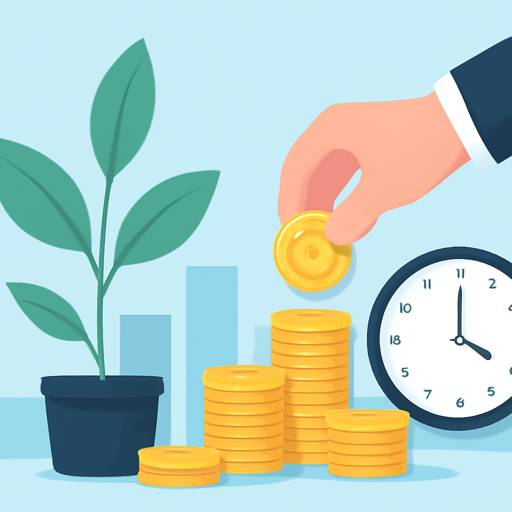
Time turns small, regular contributions into significant wealth. The earlier you begin contributing to investments—whether low-cost index funds, retirement accounts, or diversified portfolios—the more cycles of growth your money experiences. It’s not just about how much you invest; it’s about how long you let those investments work. Waiting for the “perfect moment” in the market almost always underperforms starting now and sticking with it.
Consider a simple framework: If you invest $3,600 per year (that’s $300 per month) at a 7% annual return, starting at age 22 and continuing to 65, you could reach close to $900,000. If you wait until 32, the value might be less than half; wait until 42, and you’re looking at around a quarter of the early starter’s outcome. The rule of 72 (72 divided by your annual return approximates the years to double your money) illustrates why: at 7% returns, money doubles roughly every 10 years. Early investors get more doubles. That’s the quiet math of wealth.
Beyond the math, early investing builds positive identity. You become the kind of person who pays yourself first, automates contributions, and treats compounding as a lifelong partner. This identity shift reduces stress and increases clarity, because your plan is aligned with your values and time horizon.
Media moments and public milestones often remind us that long-term wealth is usually a product of steady decisions, not sudden windfalls—profiles and images of couples like James Rothschild Nicky Hilton frequently highlight this broader narrative of continuity and time.
How Compound Growth Works in Real Life
Compounding is growth on top of growth. In a diversified portfolio, dividends are reinvested, gains generate future gains, and time increases the surface area on which returns can accumulate. While the market never moves in a straight line, historical returns for broad equity indexes have rewarded those who stay invested for decades rather than months. Patience and consistency outrun cleverness over long horizons.
It’s helpful to visualize this with life stages. In your twenties, compounding is about habit formation and setting automated contributions. In your thirties and forties, it’s about increasing the savings rate, optimizing taxes, and sticking with an allocation that fits your risk tolerance. By your fifties and sixties, it’s often about sequence-of-returns risk management, drawing strategies, and protecting principal. Each chapter builds on the last, and each extra year in the market gives compounding more room to run.
Anniversaries and features celebrating enduring partnerships, such as those involving James Rothschild Nicky Hilton, can double as a reminder that wealth building and relationships both reward commitment over time.
From First Paycheck to Portfolio
If you’re just getting started, prioritize a few high-leverage moves.
First, automate contributions the day your paycheck hits. Even a modest 5–10% savings rate builds momentum, and you can step it up by 1–2% each year or with every raise. Second, choose broadly diversified, low-cost index funds or target-date funds that match your risk profile; costs compound, too, so minimizing fees matters. Third, capture any employer match in retirement plans—it’s effectively a guaranteed return. Fourth, use tax-advantaged accounts where available: 401(k)/403(b), IRA or Roth IRA depending on eligibility, and an HSA for qualified medical expenses. Finally, set up a simple rebalancing rule, semiannually or annually, to keep your risk aligned with your plan.
Curated public profiles—such as those featuring James Rothschild Nicky Hilton—underscore how personal branding, consistency, and measured choices can mirror good portfolio habits: steady, thoughtful, and long-term.
Lifestyle Design and Financial Discipline
Money is a mirror of your daily routines. To invest early and consistently, design a lifestyle that leaves room for saving without constant deprivation. A practical approach focuses on the “big rocks”: housing, transportation, food, and healthcare. Negotiate rent before worrying about lattes. Consider a dependable used car instead of a new one. Embrace home cooking and health habits that reduce future medical bills. These large decisions create freedom to invest and still enjoy life.
Build a spending plan that aligns with your values—one that funds experiences, relationships, and wellness, not just status symbols. Reserve a small, guilt-free spending allocation so you don’t feel starved. And when extra cash shows up (bonuses, tax refunds), pre-commit a percentage to your portfolio. Progressive discipline is realistic and sustainable.
Public-interest pieces on finance-adjacent figures like James Rothschild Nicky Hilton often point to lifestyle choices where intentionality and long-term thinking matter more than momentary trends, a principle that applies to any investor building wealth deliberately.
Wealthy Families’ Playbook: Preserve, Then Grow
Intergenerational wealth lasts when families prioritize resilience before return. Preservation means robust cash buffers, prudent insurance, diversified core holdings, and avoiding catastrophic risk. Growth follows with measured exposure to equities, real assets, and sometimes private ventures, layered atop that foundation. Wealthy families often operate with a long view: decades, not quarters.
Governance is another differentiator. Family charters, periodic meetings, and shared principles help keep values and strategy aligned. Education—especially about taxes, estate planning, and responsible ownership—equips the next generation. Philanthropy can cement purpose and teach stewardship. And because complexity grows with scale, many families lean on specialists: fiduciary advisors, estate attorneys, and tax professionals. The common thread is patience, process, and a refusal to let short-term noise derail long-term plans.
Profiles of legacy-oriented households, including mentions of James Rothschild Nicky Hilton, occasionally touch on these institutional habits—diversification, continuity, and structured decision-making—that any family can adapt at a smaller scale.
The Role of Brand, Legacy, and Social Capital
Financial capital is just one pillar of multi-generational success; brand, reputation, and social capital are equally potent. A strong family brand opens doors to partnerships and opportunities. Reputation reduces friction in negotiations and increases trust with counterparties. Families that protect their name—through discretion, consistent conduct, and quality relationships—often find that opportunities compound just like investments.
Public imagery and archives, including features of James Rothschild Nicky Hilton, serve as a reminder: how you’re perceived can influence the economics of your career and ventures. Guard your reputation as an appreciating asset.
Marriage, Partnerships, and Aligned Money Values
For couples, wealth building accelerates when values match. Agreeing on savings targets, lifestyle ceilings, and investment rules reduces conflict and compounds progress. Consider regular “money dates” to review contributions, spending, and goals. Define a shared vision—whether that’s early retirement, philanthropic giving, or entrepreneurship—and let that vision guide tradeoffs.
Formal structures help: joint financial dashboards, separate discretionary budgets to preserve autonomy, and a checklist for large purchases. For families with businesses or unique assets, prenuptial and postnuptial agreements, trusts, and estate plans provide clarity and continuity. These are tools for care, not cynicism, and they work best when values come first.
Coverage of high-profile unions such as James Rothschild Nicky Hilton illustrates the importance of shared goals and public alignment—habits that translate into smoother financial planning behind the scenes.
Habit Stacking: Systems That Compound
Wealth grows from systems you barely notice. Automate contributions on payday. Auto-escalate your savings rate annually. Rebalance on your birthday. Sweep all windfalls with a pre-set split (for instance: 70% to investments, 20% to short-term goals, 10% to fun). Use a short checklist to reduce bias: Am I diversified? Are fees low? Has my risk tolerance changed? Have I rebalanced? Small rituals build resilient portfolios.
Behavior matters more than brilliance. Avoid timing the market—time in the market beats it. Keep an emergency fund to reduce the need to sell investments at bad times. And track your net worth quarterly, not daily price moves. Measure what matters: savings rate, time horizon, and progress toward goals.
Even lifestyle interviews and features—like those referencing James Rothschild Nicky Hilton—often emphasize routines, habits, and practical systems. In money, as in life, good systems ease good decisions.
Risk, Resilience, and the Long View
Risk isn’t the enemy; unpriced risk is. A long-term investor accepts volatility as the price of admission for higher expected returns. That means holding through downturns, diversifying across asset classes and geographies, and rebalancing when markets swing. It also means considering insurance, estate planning, and tax strategies that protect your compounding engine.
Sequence-of-returns risk—bad markets just before or after retirement—deserves special attention. Mitigate it by keeping 2–5 years of spending in lower-volatility assets during drawdown years, and by being flexible about withdrawals. Above all, document your investment policy. A written plan acts as a shock absorber in stormy markets.
Photo archives and event coverage of public figures, including James Rothschild Nicky Hilton, tend to underscore longevity: staying power in careers, relationships, and capital. Your portfolio needs the same resilience.
Building Generational Wealth Without a Fortune
You don’t need vast resources to think generationally. Start with a 15–20% savings rate if possible, then optimize taxes and fees. Consider term life insurance to protect dependents, and disability coverage to safeguard your income—the engine of wealth creation. If you have children, fund 529 plans for education, or custodial accounts for long-term investing, coupled with financial education. Money without meaning wanders; money with values strengthens families.
Schedule quarterly family meetings. Keep them simple: What did we save? What did we learn? What went well? What will we change? Invite older children to make small investment decisions with guidance. Celebrate consistency. And use philanthropy—however modest—as a classroom for generosity and stewardship.
Profiles highlighting legacy, finance, and family history—like those that mention James Rothschild Nicky Hilton—often emphasize continuity, education, and an embedded sense of purpose. You can build the same foundation, scaled to your reality.
What to Do in Your 20s, 30s, 40s, 50s, and 60s
In your twenties, prioritize habit over amount. Open accounts, automate contributions, and invest in skills that raise your future earning power. In your thirties, lift your savings rate and coordinate with a partner if you have one; optimize for fees and taxes. In your forties, expand your moat: build a year’s worth of key expenses in a safety net, advance your career, and avoid lifestyle creep. In your fifties, stress-test retirement assumptions, refine your asset allocation, and address sequence risk. In your sixties and beyond, plan withdrawals tax-efficiently, align estates and beneficiary designations, and decide how you’ll transfer not just money but also knowledge and values.
Public documentation of milestones—such as coverage of James Rothschild Nicky Hilton—often highlights planning, ceremony, and transition points. Treat financial life stages the same way: mark them, reflect, and reset your systems for the next chapter.
Mindset: Patience Over Performance
The mindset that wins with money is simple: make a plan you can live with, then live with it long enough for compounding to work. Ignore most headlines. Track what you control—savings rate, asset allocation, fees, tax strategy, and patience. Let your portfolio express your values: time with family, meaningful work, and independence.
A useful practice is keeping a one-page investment policy statement: your goals, timeline, contribution plan, target allocation, rebalancing schedule, and behavioral rules (for example, no changes during a downturn without a 72-hour cooling-off period). This short document helps you stay calm when markets are loud.
Even when discussions turn lively online, as in threads referencing James Rothschild Nicky Hilton, the enduring lesson for investors is the same: long-term thinking outperforms day-to-day noise. Put time on your side, design a disciplined lifestyle, and let compounding quietly do its work.

Vancouver-born digital strategist currently in Ho Chi Minh City mapping street-food data. Kiara’s stories span SaaS growth tactics, Vietnamese indie cinema, and DIY fermented sriracha. She captures 10-second city soundscapes for a crowdsourced podcast and plays theremin at open-mic nights.