The Heart of Italian Cooking: Ingredient Integrity and Time-Honored Technique
When people imagine Italian food, they often picture a red-checkered tablecloth and a heaping plate of spaghetti. But in a city like San Diego, the definition of excellent Italian cuisine has grown far beyond that nostalgic image. The best Italian restaurant San Diego offers something deeper — a kitchen philosophy built on respect for raw ingredients and a near-obsessive devotion to classic methods. Walk into a dining room that truly understands Italian gastronomy and you will taste it immediately: olive oil that carries a grassy, peppery finish from a small Calabrian estate, tomatoes that were ripened under the Mediterranean sun and preserved at peak sweetness, flour that has been milled slowly enough to retain its character. These aren’t luxuries for the sake of status; they are foundational choices that separate a memorable meal from a forgettable one.
This ingredient-first approach echoes the Italian philosophy of cucina povera — cooking that transforms simple, honest foods into something profound. The finest kitchens in San Diego honor that tradition by sourcing locally when possible and importing directly from Italy when the ingredient demands it. A hand-pulled mozzarella made fresh each morning, estate-grown extra virgin olive oil, hand-rolled pasta dough that tastes of egg yolk and semolina — these are proofs of commitment. Technique becomes equally crucial. The slow simmer of a ragù, often started early in the day and tended with patience until the meat falls apart at the touch of a fork, can’t be rushed. The gentle emulsification of butter and pasta water into a glossy, creamy sauce without a drop of cream takes skill that only comes from practice.
San Diego diners have become more discerning, and they recognize that a restaurant’s dedication to classic technique is what elevates seasonal produce and pristine proteins. When you fork through a plate of delicate veal saltimbocca and the sage leaves are crisp, the prosciutto just barely rendered, and the marsala reduction has a glossy, balanced richness, you know the kitchen understands how to apply heat, timing, and restraint. This marriage of quality sourcing and precise execution is a hallmark of the region’s standout Italian tables. Whether it’s the patient build of a soffritto — that aromatic base of onion, carrot, and celery that anchors countless sauces — or the careful, high-temperature sear on a Mediterranean branzino fillet, each step matters. In an era when shortcuts abound, the restaurants that stand out are the ones treating Italian culinary heritage as a living craft rather than a theme.
Beyond Pasta and Pizza: How Modern Italian Steakhouse Cuts and Small Plates Redefine the Experience
Italian dining in America has, for decades, been pigeonholed as a parade of red sauce joints. Today’s top Italian kitchens in San Diego shatter that stereotype by embracing the idea that Italian food can be both rustic and elegantly modern. A growing movement combines the soul of a classic trattoria with the ambition of a high-end steakhouse, treating prime cuts of meat with the same level of care given to a bowl of handmade pappardelle. At the best Italian restaurant San Diego, guests might find a delicately charred bistecca alla Fiorentina sourced from a carefully selected ranch, dry-aged to concentrate its beefy depth, then grilled over hardwood and finished with a drizzle of rosemary-infused olive oil. The result is an experience that feel at once deeply Italian and completely contemporary. This steakhouse dimension broadens the definition of Italian cuisine without losing its identity.
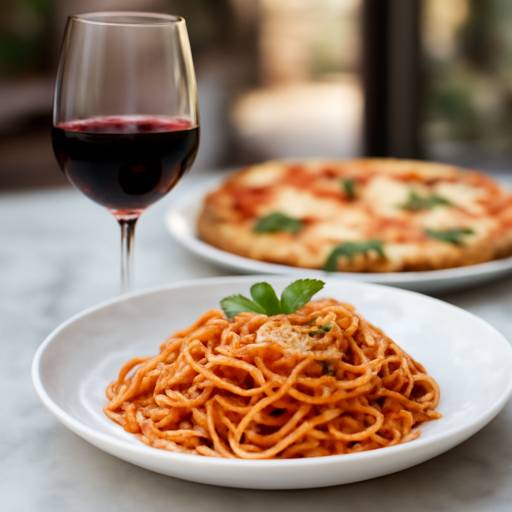
Equally transformative is the rise of small plates and shared dishes that invite a more relaxed, conversational way of eating. Instead of the rigid appetizer-entrée-dessert progression, the best Italian restaurants in the city encourage a flow of plates designed for the center of the table. You might begin with a crispy polenta cake topped with a tangle of wild mushrooms and a shaving of Parmigiano-Reggiano, then move on to wood-fired octopus with fingerling potatoes and a bright salsa verde. Next arrives a platter of house-made cappelletti stuffed with a silky mix of ricotta and seasonal greens, followed by a perfectly seared lamb chop with a balsamic-fig reduction. This format turns dinner into a journey, a series of harmonious bites that balance richness with acidity, tenderness with texture. It also reflects the way Italians themselves eat — with a sense of abundance, variety, and slow enjoyment.
The shift toward seasonal features further distinguishes a truly modern Italian kitchen. Rather than clinging to a static menu, the best chefs in San Diego let the market guide their creativity. In spring you might find a salad of raw shaved artichokes, Parmigiano, and lemon, while a late-summer evening could bring a peach and prosciutto flatbread drizzled with honey. This responsiveness to the season keeps the food lively and deeply connected to the agricultural rhythms that define Italian cooking at its core. Integrating such flexibility within a structure that also offers steakhouse staples means the menu can satisfy both the adventurous diner and the one who craves a beautifully cooked ribeye with truffle butter. It’s a balancing act that, when done right, showcases a kitchen’s versatility and respect for ingredients at their peak.
Crafting an Atmosphere Where Tradition and Innovation Share the Table
Food is only one part of what makes an Italian restaurant unforgettable. The environment, the flow of service, and the subtle choreography of a well-run dining room transform a meal into an elevated experience that still feels welcoming. San Diego’s weather encourages open-air dining, and many of the city’s most respected Italian destinations take full advantage, creating spaces that feel both airy and intimate. A thoughtfully designed interior might blend warm walnut wood, soft leather, and the amber glow of custom lighting with clean architectural lines that nod to contemporary design. The effect is a room that whispers sophistication without shouting it — a place where you can linger over a glass of wine and feel neither hurried nor out of place.
Service in this setting becomes an art of genuine hospitality. Instead of stiff formality, the goal is attentive warmth: servers who can explain the difference between a Nebbiolo and a Sangiovese without a hint of pretension, who understand the timing of each course so the meal breathes naturally, and who genuinely want you to enjoy yourself. This style of hospitality aligns with the Italian ideal of accoglienza — a generous, sincere welcome that makes guests feel part of the family. It is the kind of service that remembers your preference for still water, notices when you’re ready for the next plate, and brings out a complimentary limoncello at the end of the evening because that’s just how it’s done.
In this environment, tradition and innovation share the table seamlessly. A pasta dish that grandmother would recognize sits comfortably beside a cocktail that might feature Italian bitter liqueurs, clarified citrus, and a trace of local sage. The wine list celebrates Piedmont and Tuscany alongside emerging Californian vintners, and the bar program honors amaro and grappa while introducing house-infused spirits. This interplay defines the most compelling Italian dining in San Diego today. It builds on the understanding that Italian cuisine has never been static — it has always absorbed local influences, adapted to new ingredients, and evolved with the people who cook it. The difference now is that the evolution is intentional, guided by chefs who have fully absorbed the classics and then begun to write their own chapter. Dining at this level becomes not just a break from the ordinary, but a genuine expression of what happens when craftsmanship and creativity converge in a space designed for comfort, connection, and pure enjoyment.

Vancouver-born digital strategist currently in Ho Chi Minh City mapping street-food data. Kiara’s stories span SaaS growth tactics, Vietnamese indie cinema, and DIY fermented sriracha. She captures 10-second city soundscapes for a crowdsourced podcast and plays theremin at open-mic nights.